Our History

Rooted in Nepal,
Built on Compassion

For over four decades, the Nepal Leprosy Relief Association has walked alongside the most marginalised people in Nepal — bringing medicine, dignity, and hope to communities that history had forgotten.

NELRA health worker treating a patient in rural Nepal
1978
Year Established
Our History

Four Decades of
Service Across Nepal

The Nepal Leprosy Relief Association — NELRA — was founded in 1978 by a group of Nepali physicians, social workers, and community leaders who recognised that leprosy was not merely a medical problem but a profound crisis of exclusion. At the time, Nepal had one of the highest leprosy prevalence rates in South Asia, yet patients in hill districts and remote Terai communities had no access to treatment whatsoever.

NELRA's founders established the first dedicated leprosy outpatient clinic in Kathmandu in 1979, followed rapidly by mobile units that reached the Bagmati, Gandaki, and Koshi zones. Working in close partnership with the government of Nepal and the World Health Organization, NELRA became the primary implementing partner for Nepal's national MDT rollout in 1982 — making Nepal one of the first countries in South Asia to offer multidrug therapy at scale.

Through political upheaval, natural disasters including the 2015 earthquake, and the COVID-19 pandemic, NELRA has never suspended its field operations. Today, the association runs seven district offices, two rehabilitation centres, a dedicated children's scholarship programme, and a nationally recognised legal advocacy cell — touching over 62,000 lives across all seven provinces of Nepal.

62,000+
Patients Treated
7 Provinces
National Coverage
46 Years
Uninterrupted Service
480+
Trained Field Workers
Our Most Important Work

Where NELRA Has Made the Deepest Impact

Nepal's MDT Pioneer

NELRA co-led the rollout of Multidrug Therapy across Nepal in 1982 alongside the Ministry of Health. This work reduced Nepal's leprosy prevalence rate from 19.4 per 10,000 population in 1985 to below 1 per 10,000 by 2010 — achieving the WHO elimination threshold for the first time in the country's history.

Earthquake Response, 2015

When the Gorkha earthquake struck in April 2015, leprosy patients in Sindhupalchok, Nuwakot, and Dhading lost not only their homes but their entire treatment supply chains. NELRA deployed emergency teams within 72 hours, delivering 8,400 MDT kits and establishing two temporary rehabilitation shelters serving 340 displaced patients.

Abolishing the Caste Barrier

In the early 1990s, NELRA launched its Dignity Advocacy Programme — a systematic effort to challenge the caste-based exclusion of leprosy-affected individuals from public life. The programme produced Nepal's first legal brief on leprosy discrimination, which was submitted to the National Human Rights Commission in 2003 and influenced amendments to the Public Health Act.
How We Work

Guidelines &
Philosophy

NELRA's work is guided not by charity but by rights. We believe leprosy-affected people are full citizens whose dignity, participation, and leadership must be central to every programme we design and deliver.

"We do not serve communities — we stand with them. The difference matters enormously, because service can end, but solidarity does not."
NELRA Founding Charter, 1978
Guiding Principle 01

Rights-Based Approach

NELRA treats access to leprosy treatment, rehabilitation, and social inclusion not as gifts to be given but as rights to be claimed. Every programme is designed to build the capacity of patients and affected communities to advocate for those rights independently of external support.

Guiding Principle 02

Community-Led Design

No programme is designed by NELRA without the participation of people who have lived experience of leprosy. Our Community Advisory Panels in each of Nepal's seven provinces hold veto power over programme design decisions that affect their communities — a structural commitment, not a consultation gesture.

Guiding Principle 03

Evidence-Driven Practice

Every field intervention is tracked against a defined theory of change with independent monitoring and evaluation. NELRA publishes its full programme data annually, including failures and shortcomings, in accordance with the International Aid Transparency Initiative standard that NELRA adopted in 2016.

Guiding Principle 04

Whole-Person Care

NELRA's clinical mandate ends only when a patient is economically independent, socially reintegrated, and legally protected. Treating the disease is the beginning of our work, not the end. Our case-management model assigns each patient a single coordinator who remains their point of contact from diagnosis through full rehabilitation.

🤝

Solidarity, Not Charity

We walk alongside. We do not hand down. Patients are partners, not beneficiaries.

🌏

Nepal First

Solutions are designed for Nepal's geography, culture, and political reality — not imported wholesale from elsewhere.

📖

Radical Transparency

We publish what works and what does not. Accountability to communities comes before accountability to donors.

Central Committee Chairpersons

Founding & Historical Members

NELRA was established under the distinguished patronage of Princess Shanti Singh, whose leadership shaped the organisation's character and ambitions for over two decades. She was succeeded by a line of dedicated chairpersons who each advanced the mission.

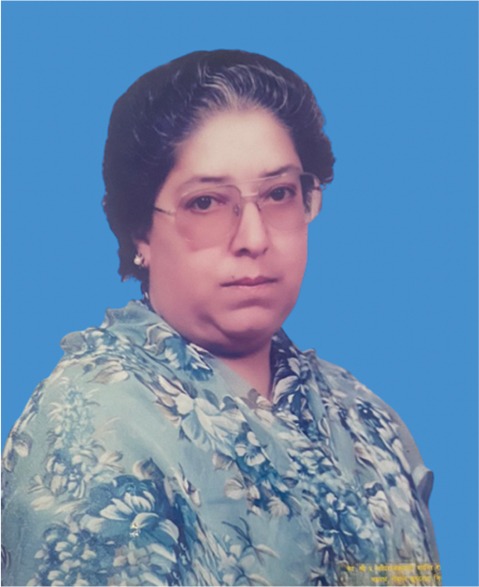
Princess Shanti Singh — Founding Chairperson of NELRA
Founding Chairperson
B.S. 2027 – 2050 23 Years of Service

Princess Shanti Singh

Founding Chairperson · Nepal Leprosy Relief Association

Princess Shanti Singh lent her royal stature and personal conviction to the cause of leprosy relief at a time when the disease carried the deepest social stigma in Nepali society. Her decision to publicly associate with NELRA at its founding in B.S. 2027 was itself a powerful act — signalling to the country that leprosy-affected people deserved care, not condemnation.

During her 23-year tenure as Chairperson, she oversaw NELRA's transformation from a small Kathmandu-based organisation into a nationally recognised institution. She personally campaigned for the removal of discriminatory practices in public life, engaged international partners to fund the MDT rollout, and mentored the generation of leaders who succeeded her.

NELRA Founder Royal Patronage MDT Champion Anti-Stigma Advocate International Liaison
Succession of Chairpersons · B.S. 2051 – Present

Six leaders have carried forward the responsibility of the Chairpersonship since Princess Shanti Singh's tenure, each serving NELRA at a distinct chapter in Nepal's leprosy relief story.

1
B.S. 2051 – 2054
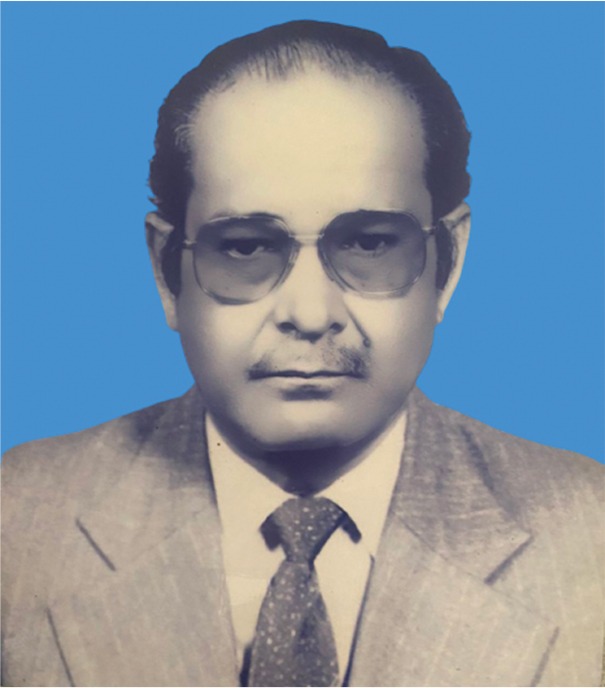
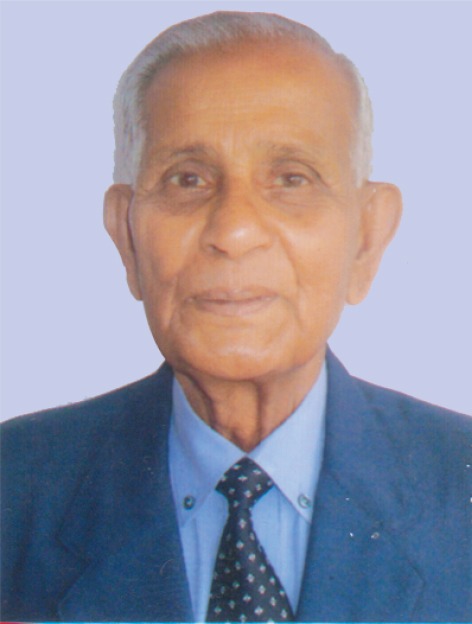
Dr. Gaurishankar Lal Das

Dr. Gaurishankar Lal Das

2nd Chairperson
Served from B.S. 2051 to 2054 — a period of consolidation following Princess Shanti Singh's foundational tenure. Led NELRA through early partnerships with WHO Nepal and strengthened the organisation's MDT distribution network in hill districts.
3 Years of Service
2
B.S. 2055 – 2062
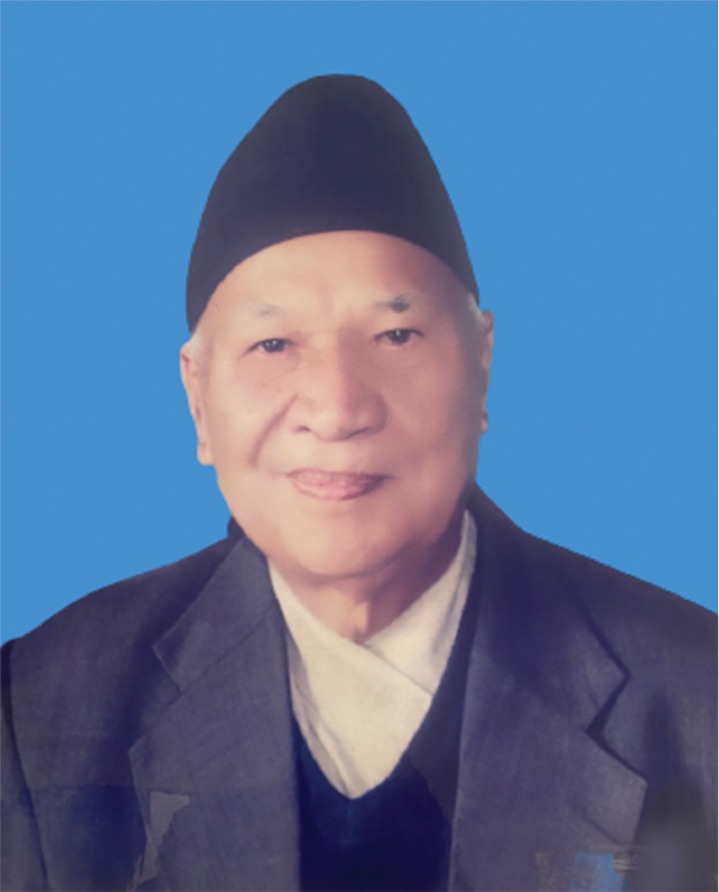
Pashupati Giri

Pashupati Gauri

3rd Chairperson
The longest-serving among the successors, Pashupati Gauri led NELRA through seven years of significant expansion — including the launch of mobile medical units reaching Terai districts and the organisation's first formal engagement with the National Human Rights Commission on discrimination cases.
7 Years of Service
3
B.S. 2063 – 2066
Laxmi Das Manandar

Laxmi Das Manandhar

4th Chairperson
Served during a pivotal period as Nepal worked toward the WHO leprosy elimination threshold. Under his guidance NELRA deepened its rehabilitation programmes and launched early livelihood training initiatives for patients completing MDT, recognising that recovery required economic reintegration alongside clinical cure.
3 Years of Service
4
B.S. 2069 – 2081
S

Surya Prasad Shrestha

5th Chairperson
The second-longest serving Chairperson after Princess Shanti Singh, Surya Prasad Shrestha steered NELRA through 12 years encompassing Nepal's achievement of WHO elimination status in B.S. 2067, the Gorkha earthquake response of B.S. 2072, and the COVID-19 pandemic that began in B.S. 2076 — maintaining uninterrupted services throughout all three crises.
12 Years of Service
5
B.S. 2081
K

Dr. Khagendra Bahadur Shrestha

6th Chairperson
Served briefly in B.S. 2081 during a transitional period. As a physician with direct experience in leprosy care, Dr. Khagendra Bahadur Shrestha brought clinical authority to the Chairpersonship and initiated the consultation process that produced NELRA's current Vision 2030 strategic roadmap before passing the role to his successor.
Transitional Tenure · B.S. 2081
Current
6
B.S. 2081 – Present
R

Dr. Ram Kumar Shrestha

7th Chairperson · Serving Now
Currently serving as Chairperson, Dr. Ram Kumar Shrestha is leading NELRA into the Vision 2030 era. His tenure has seen the formal launch of NELRA's national elimination partnership with all seven provincial governments, the expansion of the Legal Aid Cell, and the commencement of the AIIMS longitudinal research study. He brings a strong background in public health policy and community medicine to the role.
Currently Serving
7
Chairpersons
54+
Years of Leadership
B.S. 2027 – Present
23
Yrs — Longest Tenure
Princess Shanti Singh
2027
B.S. Founded
Under Royal Patronage
Key Milestones

NELRA Through the Decades

Scroll to explore the full timeline

Milestone
Major Milestone
1978
Founded

NELRA Established

Founded in Kathmandu by Dr. Laxmi Prasad Shrestha and six colleagues. First office opened in New Baneshwor.

1979
Clinical

First Outpatient Clinic

Nepal's first dedicated leprosy outpatient clinic opened in Kathmandu, seeing 312 patients in its first year.

1982
National

MDT Rollout Partner

Co-leads Nepal's national Multidrug Therapy rollout with the Ministry of Health and WHO — one of Asia's first.

1986
Outreach

Mobile Units to Terai

First mobile medical units deployed to Terai districts — Saptari, Siraha, and Mahottari — reaching previously inaccessible populations.

1991
Advocacy

Dignity Advocacy Programme

Launches Nepal's first structured programme challenging caste-based exclusion of leprosy patients from public life.

1999
Recognition

Prime Minister's Award

Receives the Prime Minister's National Award for Public Health — Nepal's highest civilian recognition in health services.

2003
Legal

NHRC Legal Brief

Submits landmark discrimination brief to the National Human Rights Commission, directly influencing Public Health Act amendments.

2010
WHO Target

Elimination Achieved

Nepal reaches WHO leprosy elimination threshold — below 1 per 10,000 — for the first time. NELRA central to this achievement.

2015
Crisis

Earthquake Response

Deploys emergency teams within 72 hours of Gorkha earthquake. 8,400 MDT kits delivered. 340 patients sheltered. Zero treatment interruptions.

2018
Education

Scholarship Fund

Launches children's scholarship programme supporting 340 students from leprosy-affected families in 5 provinces.

2021
Pandemic

COVID-19 Resilience

Pivots all operations to home delivery during lockdown. All 62,000 active patients maintained on treatment throughout the pandemic.

2024
Present

National Strategy 2030

Launches Vision 2030 — a partnership with all 7 province governments and WHO Nepal targeting zero new Grade-2 leprosy disability in Nepal.

From the Field

Glimpses of Our Work

Images from NELRA's field operations across Nepal's provinces.

Medical camp in a hill district of Nepal
Free medical camp, Sindhupalchok district
NELRA health worker examining a patient
Patient examination, Terai field office
Community health worker conducting a home visit
Home visit by community health worker, Koshi Province
Physiotherapy session at rehabilitation centre
Physiotherapy session, NELRA Rehabilitation Centre
Children attending school supported by NELRA scholarship
Scholarship students, Madhesh Province
Vocational training workshop — tailoring
Tailoring training, Lumbini Province livelihood centre
Community awareness session on leprosy stigma
Community awareness session, Bagmati Province
NELRA annual gathering and recognition event
NELRA annual recognition ceremony, Kathmandu

Stand With Nepal's Most Marginalised

Forty-six years of work has brought Nepal to the threshold of eliminating leprosy disability. Help NELRA cross that threshold.